

The World Needs a New Generation of Creative Leaders: Why Music Education Must Go Beyond Teaching Music
We have spent generations teaching people how to play music.
Perhaps it is time we started teaching them what music can teach them about life.
When a child learns the piano, they are learning more than notes. When a young person
joins a choir, they are learning more than how to sing. They are learning discipline, patience,
confidence, listening, teamwork and Creative.
These are not just music skills.
They are life skills. They are leadership skills.
And in a world changing rapidly through technology, ar ficial intelligence and globalisa on,
these skills ma er more than ever.
Music teaches us how to lead
One of the most important quali es of a good leader is the ability to listen.
Music teaches this naturally.
In a choir, you cannot only hear yourself. You have to hear the people around you. In an
ensemble, everyone has a role. Somemes you lead. Somemes you support. The goal is not
for one person to be heard above everyone else. The goal is to create something together.
That is leadership.
Good leadership is not always about being the loudest person in the room. Somemes it is
about listening, making room for others and knowing when to step forward or step back.
Music also teaches resilience
Every musician makes mistakes.
A pianist plays the wrong note. A singer misses a line. A producer creates something that
does not work.
But we try again.
We prac se. We learn. We improve.
This is one of the greatest lessons music can give a young person: a mistake does not have to
be the end of the journey.
As the world of work con nues to change, young people will need the confidence to adapt,
learn new things and recover from setbacks.
Music can help prepare them for that.
We must teach more than performance
Music education o en focuses on ques ons such as:
Can you sing?
Can you play?
Can you perform?
These ques ons are important, but they are not enough.
We should also ask:
Can you communicate?
Can you collaborate?
Can you lead?
Can you solve problems?
Can you work with technology?
Can you turn your talent into a sustainable career?
A young person who studies music does not necessarily have to become a professional
musician. They could become a producer, teacher, entrepreneur, creative director,
filmmaker, composer or cultural leader.
The goal is not simply to prepare young people for one job.
The goal is to prepare them for a changing world.
The future needs human creativity
Ar ficial intelligence can now generate music, images, videos and wri en content.
Some people see this as a threat to creativity. I see it as a reason to understand human
creativity even be er.
If technology can help everyone create content, the important ques on becomes:
What do you have to say?
What is your story?
What is your idea?
What problem do you want to solve?
Technology can help us create faster, but human beings s ll provide the imagina on,
emo on, culture and purpose behind meaningful creativity.
That is why music education should not only teach young people how to reproduce what
already exists.
It should teach them how to create what does not yet exist.
Africa has an important role to play
Africa has always understood the power of music to bring people together.
Music carries our stories, our history and our iden ty. It connects generations and crosses
borders.
A rhythm created in Accra can be heard in London. A sound from Lagos can influence an
ar st in New York. Music can connect people who may never meet in person.
This is why music education should also teach cultural understanding.
Young creatives need to learn how to work with people from different backgrounds, respect
different cultures and use their creativity to build bridges rather than walls.
We need a new approach to music education
Teachers have an important role in this future.
A music teacher should not only teach notes, scales and techniques. They should also help
students discover their voice, build confidence and understand their poten al.
We also need stronger connec ons between education and the real creative industry.
Young people should have opportuni es to meet working musicians, producers,
entrepreneurs and creative professionals. They should experience real projects and learn
about teamwork, professionalism, technology and the business of creativity.
UNESCO’s current work on creative-industry skills highlights the need for stronger
connec ons between education and the crea ve economy.
The real goal
I have spent much of my professional life as a music producer, music director, educator,
piano tutor and vocal coach.
One thing I have learned is that the greatest success of music education is not simply
producing a great musician.
It is helping to develop a great human being.
Someone who can listen.
Someone who can collaborate.
Someone who can communicate.
Someone who can lead.
Someone who can accept failure and try again.
Someone who can use their talent to make a difference.
That is the kind of creative leader the world needs.
The next generation should not simply learn how to consume what has already been
created.
They should be encouraged to create what comes next.
So perhaps the ques on we ask young people should no longer be only:
“Can you play?”
We should also ask:
“What can you create?”
“Who can you become?”
“And what difference can your creativity make in the world?”
That is the future of music education I believe we should build.
And it is a future we must build together.
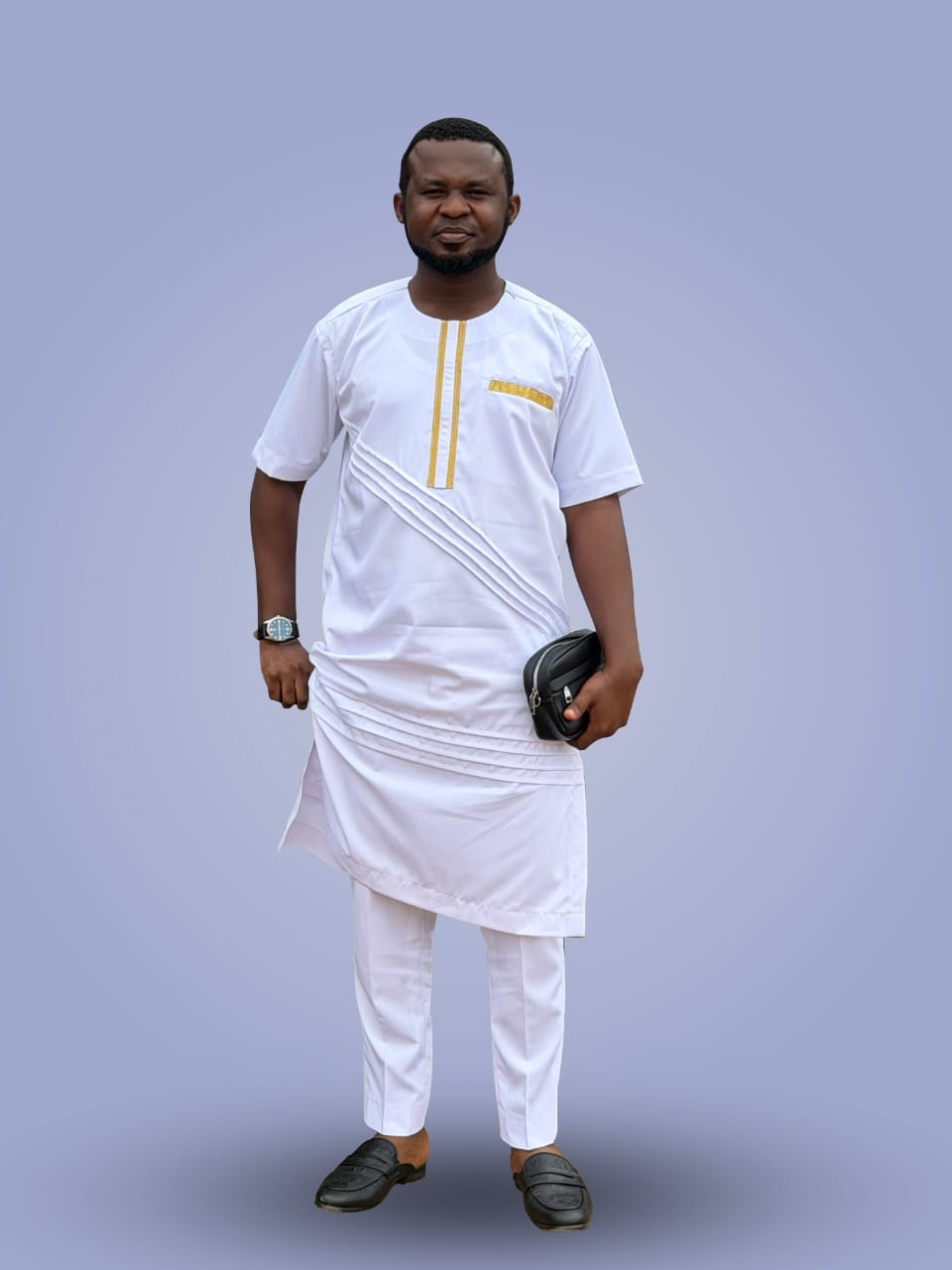
By Pascal Obeng-Poku
(www.sirpascal.com)