

Real estate investors can become most confident when market conditions are actually becoming most dangerous, according to Robert Kiyosaki, who warns that hype, easy lending and speculative behavior can create a false sense of opportunity.
Robert Kiyosaki, author of Rich Dad Poor Dad, says investors should be careful when real estate becomes the center of widespread excitement. According to Kiyosaki, market enthusiasm can cause people to overlook the fundamentals of an investment and make decisions based on the fear of missing out.
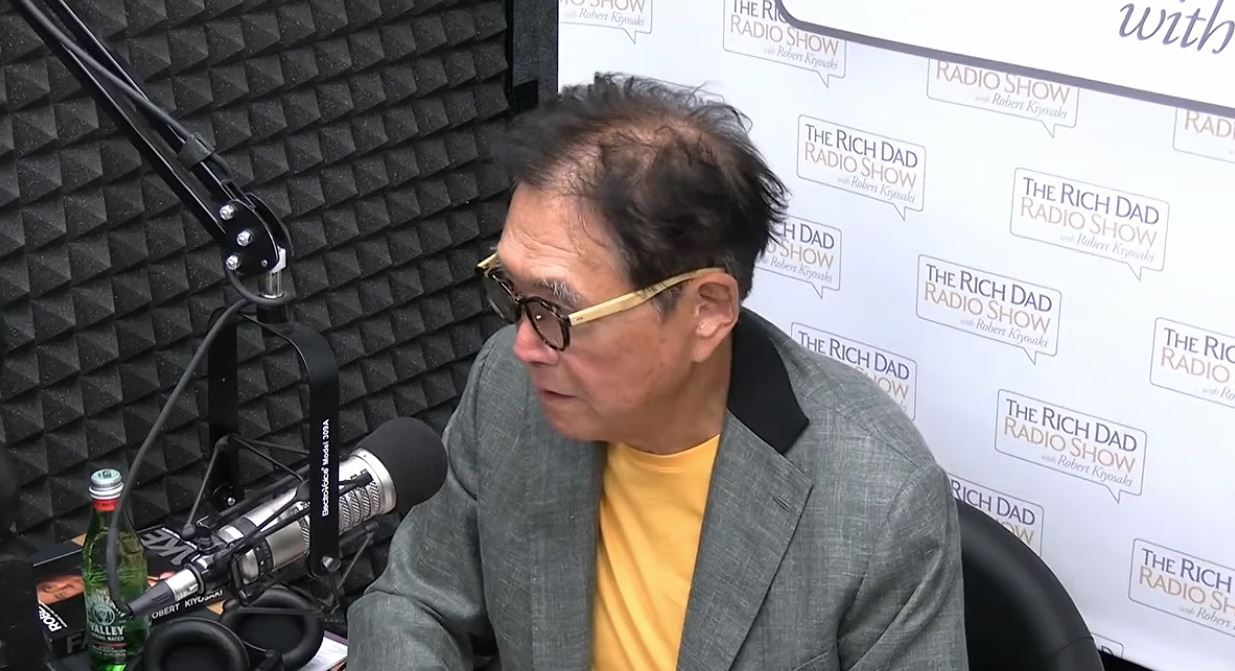
Speaking on the Rich Dad Radio Show, Kiyosaki discussed the difference between financial education and financial hype. He criticized the idea that people can become wealthy quickly by flipping properties and argued that successful real estate investing requires patience, knowledge and experience.
When a booming market becomes dangerous
Kiyosaki pointed to the period before the 2008 financial crisis as an example of how investor psychology can change during a real estate boom.
At the time, property flipping became increasingly popular, buyers rushed into new developments and lenders made financing easier. Some investors purchased properties not because they generated strong income, but because they expected prices to continue rising.
Kiyosaki and his guests said this kind of behavior can be an important warning sign.
When people begin treating real estate as an easy way to get rich, investors can become less interested in the actual numbers behind a deal.
Cash flow matters more than appreciation
A major theme of the discussion was the importance of cash flow.
Rather than relying entirely on property prices increasing, investors should consider whether a property produces enough rental income to cover operating expenses and debt.
A property with reliable positive cash flow may remain useful even when market values decline. An investor who depends on selling at a higher price can face much greater risk when buyers disappear or prices fall.
Kiyosaki’s approach focuses on acquiring assets that generate income rather than simply speculating on future price increases.
Easy lending can be a warning
The speakers also identified increasingly easy lending as another potential sign of an overheated market.
When lenders reduce down-payment requirements, increase leverage or make it easier for borrowers to qualify, more buyers can enter the market.
While easy financing can push prices higher, it can also leave borrowers vulnerable if economic conditions deteriorate.
For investors, the key question is not simply how much a property costs, but how much debt is being used to acquire it and whether the property’s income can support that debt.
Be skeptical of “guaranteed” returns
Kiyosaki and his guests also warned about aggressive real estate marketing.
They recalled investment promotions featuring expensive brochures, attractive lifestyles and promises of high or guaranteed returns.
The message was that investors should look beyond the sales pitch and examine the fundamentals.
Before committing money, investors should understand expected rental income, operating costs, vacancy rates, financing expenses, taxes and other potential risks.
Why the worst time can feel like the best
The psychology of a real estate boom can be powerful.
When prices are rising and investors hear stories about people making large profits, sitting on the sidelines can feel like a mistake. The fear of missing out can become stronger than the fear of losing money.
That is when investors may begin accepting deals they would have rejected under normal circumstances.
Kiyosaki argues that investors should do the opposite: slow down, ask more questions and focus on whether the numbers work without assuming prices will continue rising.
Start small before going big
Another major lesson from the discussion was to start small.
Kiyosaki and his guests described how they began with relatively modest properties before moving into larger investments.
Starting small allows investors to gain experience, make mistakes and learn how real estate actually works without immediately taking on the risks associated with major properties.
As investors gain experience, education and trusted relationships, they can gradually consider larger and more complex deals.
Preparing for difficult times
Kiyosaki also expressed concerns about parts of the commercial real estate market and the amount of development and financing taking place.
However, predicting exactly when a real estate crash will happen is extremely difficult. Different cities, property types and economic conditions can behave very differently.
The more practical lesson is to prepare for both good and bad market conditions.
Investors should consider what happens if rents fall, vacancies rise, interest rates increase or property values decline.