

Artificial intelligence is transforming the way people work, think, and solve problems. From writing emails and generating business ideas to conducting research and managing complex projects, AI tools are making tasks faster and easier than ever. However, as people increasingly rely on these technologies, a critical question is emerging: Are we becoming more productive at the cost of our most important human skills?
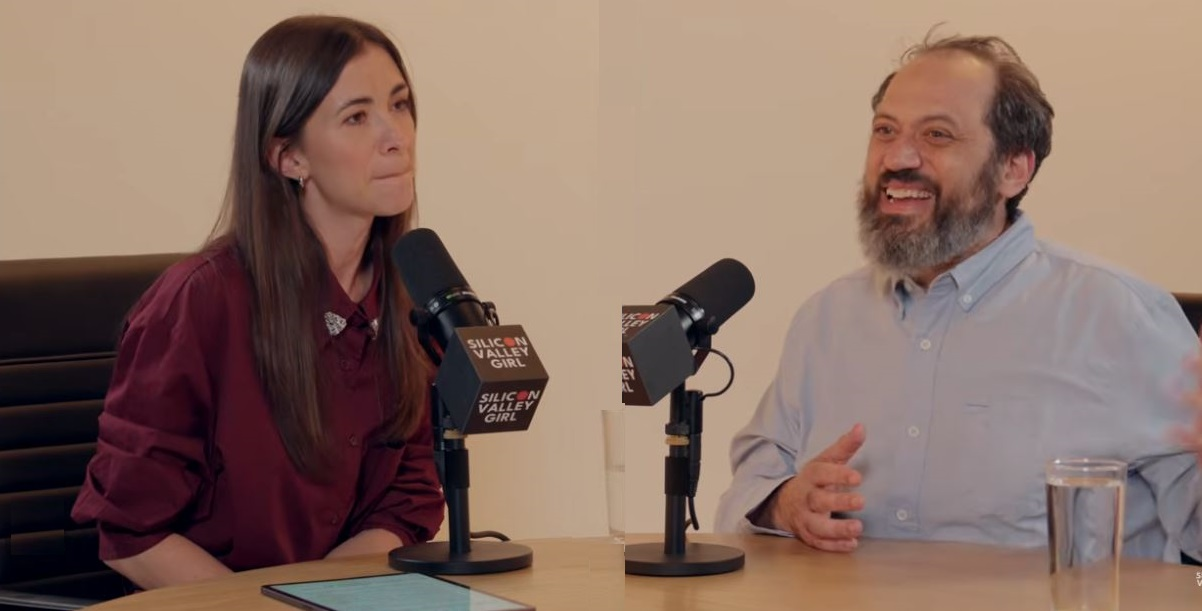
Ethan Mollick, a professor at the Wharton School of the University of Pennsylvania and a leading researcher on generative AI, warns that excessive dependence on AI could lead to what he calls “cognitive surrender” gradually handing over our thinking, creativity, and decision-making abilities to machines.
Speaking about the future of work and entrepreneurship, Mollick explains that people can easily give up skills to AI without realizing that they may never fully recover them. While delegating repetitive and administrative tasks makes sense, allowing AI to handle every intellectual challenge could weaken our ability to think independently and develop expertise.
Mollick also highlights a growing problem in the workplace. Traditionally, junior employees developed professional skills through hands-on experience, repetitive assignments, and feedback from experienced colleagues. But as AI takes over many entry-level responsibilities, young professionals may lose important opportunities to learn.
This could create a significant challenge for companies that increasingly depend on AI while struggling to develop the next generation of experienced professionals.
His recommendation is not to avoid AI but to use it strategically. People should delegate repetitive work, research, fact-checking, and administrative tasks while preserving opportunities for independent thinking, creativity, and meaningful decision-making.
He also suggests that people should generate their own ideas before asking AI for suggestions. This helps maintain originality and prevents individuals from becoming overly influenced by the same patterns and recommendations produced by widely used AI models.
As artificial intelligence becomes more capable, productivity alone may no longer be enough to create a competitive advantage. Human expertise, original thinking, judgment, and the ability to guide AI effectively could become increasingly valuable.
The biggest risk of AI may not be that machines become smarter than humans, but that humans gradually stop developing the skills that make them valuable in the first place.