

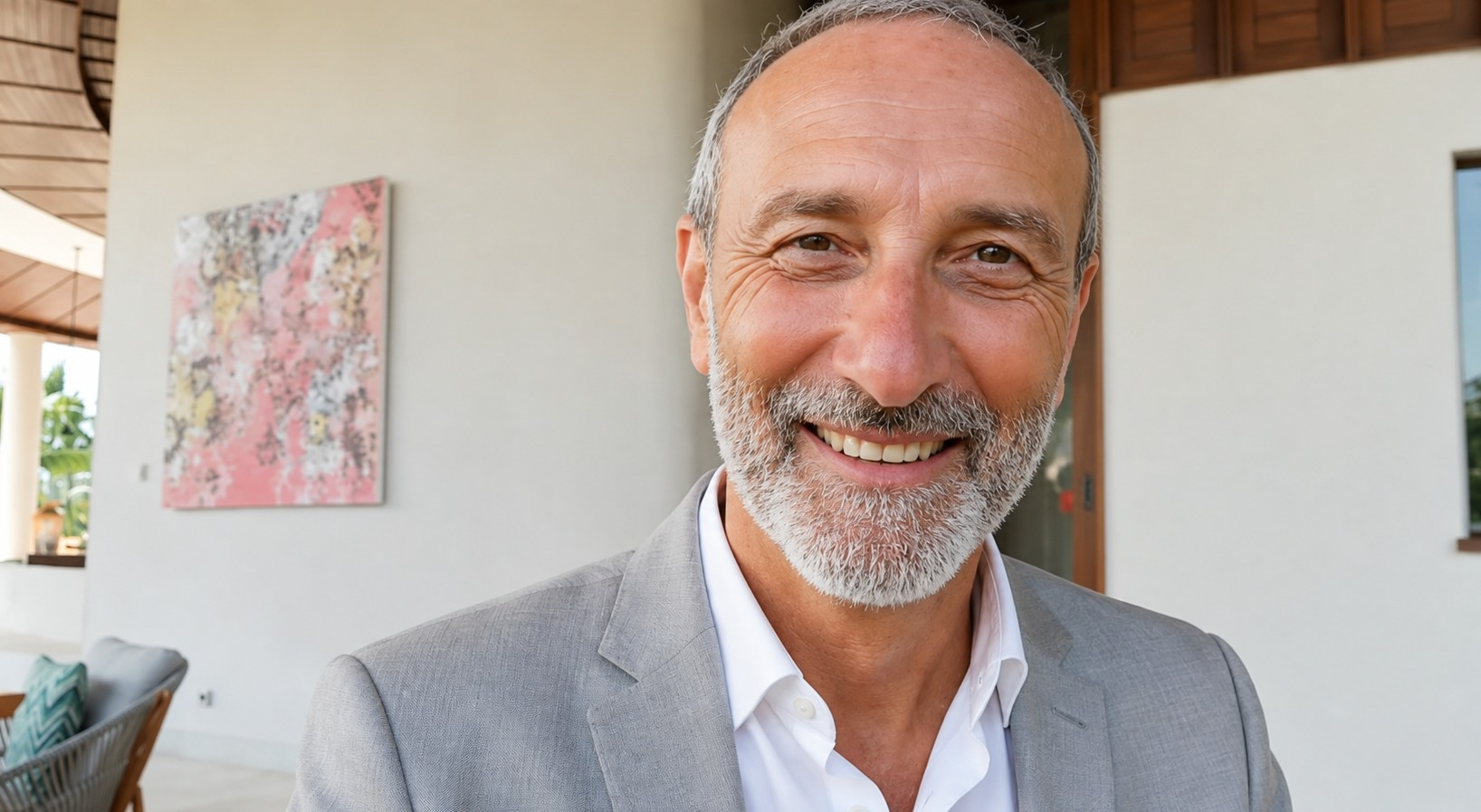
Content creator Mark Bajerski has raised concerns about the way people consume breaking news, arguing that sensational headlines and rapidly developing stories can encourage immediate emotional reactions instead of careful consideration of the wider context.
Speaking in his recent video, What’s Happening Around The World Right Now, Bajerski discussed world events, corruption, political authority and the way information influences public behaviour. During the discussion, he claimed that some people react strongly to “shock” and “breaking news” without stopping to think more deeply about what they are being shown.
His comments were part of a broader personal argument about manipulation. Bajerski suggested that people can sometimes be deliberately provoked until they become angry, after which their reaction may be recorded and presented without the events that led up to it.
He argued that audiences may subsequently focus on the dramatic reaction rather than asking what caused it.
Can Breaking News Affect How People React?
Bajerski’s broader claims are his personal interpretation and should not be treated as scientific findings. However, research has found links between intensive exposure to distressing news and heightened anxiety, stress and worry.
A study indexed by the U.S. National Library of Medicine found that increased viewing of constant news coverage during conflict was associated with reported anxiety symptoms, including uncontrolled fear, sleeping difficulties and fearful thoughts.
Another study examining 24/7 news consumption during the Israel-Hamas war found that more than 70% of surveyed participants considered newscasts stressful to at least a moderate degree, while increased news consumption and related stress were associated with anxiety symptoms.
Research into daily news exposure has also found that greater exposure to distressing news can be associated with increased same-day and next-day worry.
These findings do not prove Bajerski’s specific assertion that breaking news causes people to “stop thinking.” They do, however, support the broader idea that repeated exposure to emotionally intense news can affect people’s psychological state.
Social Media Adds Another Layer
The speed at which news now spreads through social platforms can make the issue more complicated. Breaking stories are frequently reduced to headlines, short videos and viral posts, sometimes reaching millions before audiences have access to the full context.
The American Psychological Association has highlighted the importance of critical-thinking and media-literacy skills in identifying misinformation and recognizing online material designed to manipulate audiences.
Recent research highlighted by the APA also suggests that encouraging people to consider the implications of sharing false headlines can reduce their willingness to share them, indicating that deliberate reflection may play an important role in how people interact with questionable information online.
Bajerski Calls for Looking Beyond the Headline
Bajerski’s remarks ultimately centre on a straightforward message: audiences should consider the circumstances behind an event rather than forming conclusions solely from its most dramatic moment.
His comments come at a time when breaking news reaches smartphones almost instantly and social media can amplify emotionally charged material within minutes.
While staying informed remains important, research increasingly suggests that how people consume news matters too. Taking time to examine the source, read beyond the headline and verify important claims can help separate an immediate emotional response from an informed understanding of what actually happened.