

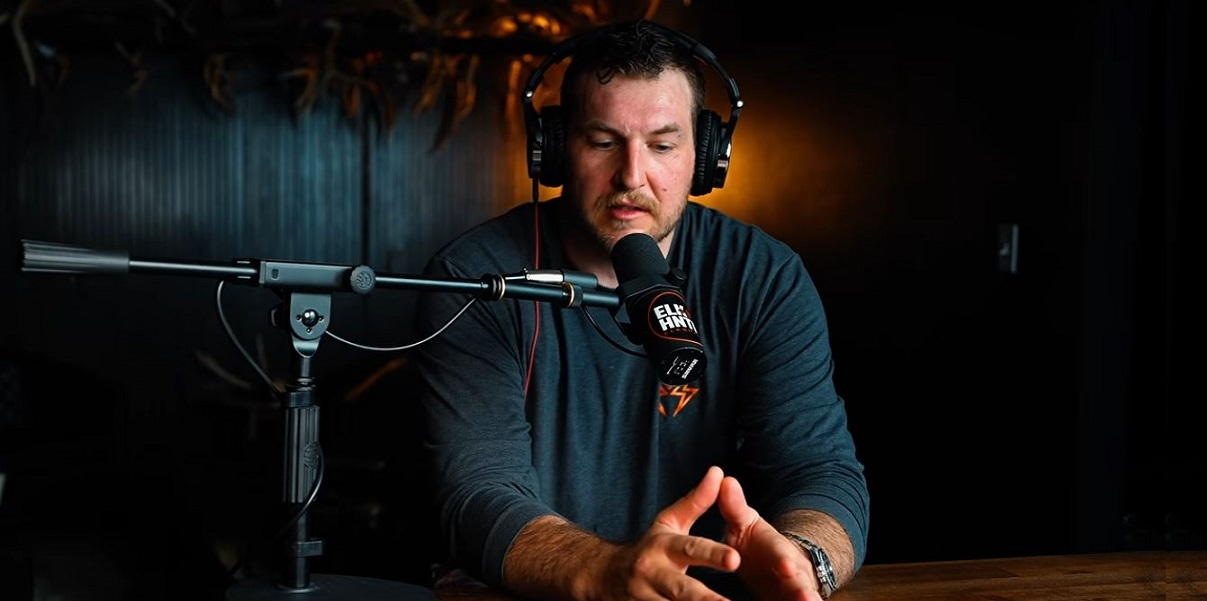
Former US Marine and police officer Alex Mauri transformed an unexpected career setback into a technology business. Alongside co-founder Andrew Cole, he built Star-Batt, a portable power solution for Starlink Mini, into an eight-figure brand in approximately two years.
Entrepreneurship often begins with an unexpected opportunity, and the story of Alex Mauri, co-founder of Star-Batt, is an example of how career setbacks can lead to new business possibilities.
A former US Marine and police officer from North Idaho, Mauri did not initially plan to become an entrepreneur. His professional journey took him from military service to law enforcement, then into sales, marketing and eventually the technology and battery industry.
Today, he is helping build Star-Batt, a company focused on portable power solutions that enable users to access satellite internet in remote locations. In a recent interview on the North Idaho Experience podcast, Mauri discussed his transition from law enforcement to business, the challenges of launching a battery company and the unexpected events that led to Star-Batt.
From the Marine Corps to Law Enforcement
Mauri’s professional journey began with military service. After graduating from high school at the age of 17, he joined the United States Marine Corps, partly because he wanted to experience life beyond his hometown and gain experience before pursuing a career in law enforcement.
After approximately four and a half years of military service, he moved to Idaho and joined the Coeur d’Alene Police Department in 2017.
During his time in law enforcement, Mauri developed skills in communication, decision-making, relationship-building and identifying opportunities. He enjoyed proactive policing and engaging with the community.
However, over time, he began questioning whether law enforcement was the career he wanted to pursue for the rest of his life.
The changing professional environment, increasing liability concerns and his own desire for a different direction eventually pushed him towards a career transition.
In 2021, he began exploring opportunities outside policing. After receiving job offers in the firearms industry and beverage distribution sector, he ultimately chose a position in the firearms industry.
Discovering Business and Sales Skills
Mauri’s transition into the private sector introduced him to a completely different professional environment.
His initial role involved selling concealed-carry insurance products and presenting them to audiences at firearms training events.
Although he had no previous formal sales experience, he quickly discovered that many of the skills he had developed as a police officer were transferable to business.
His ability to communicate with people, understand their concerns, build trust and read an audience helped him become an effective salesperson.
He also began developing relationships with retail partners and firearms training organisations to generate leads and expand business opportunities.
This experience eventually led him into business development, where his responsibilities included identifying new revenue opportunities and developing strategic partnerships.
He later became involved in YouTube advertising, helping firearms-related content creators secure brand partnerships, sponsorships and advertising deals.
The business initially performed well, allowing him to establish a growing network of creators and commercial partners.
YouTube Policy Changes Trigger a Business Crisis
Mauri’s marketing business faced a major setback when YouTube changed its monetisation policies regarding firearms and firearms accessories.
The policy change significantly affected the business model he had built around advertising and sponsorships for firearms-related creators.
According to Mauri, he lost approximately 50% of his clients during the first month. Other clients became reluctant to accept brand partnerships because they were concerned about the impact on their channels.
The sudden change threatened his business at a time when he had recently hired an employee and made other personal and professional commitments.
Rather than continuing with a business model that had become increasingly difficult to sustain, Mauri began looking for a new opportunity.
That opportunity arrived through an unexpected conversation with his friend and future business partner, Andrew Cole, a mechanical engineer.
A Hunting Trip Leads to the Birth of Star-Batt
Mauri and Cole had previously discussed the possibility of starting a business together. Cole had the engineering expertise, while Mauri had experience in sales, marketing and business development.
During a period of professional uncertainty, Mauri met Cole and discussed his career challenges. Cole introduced him to an early prototype of a portable battery solution.
Mauri took the prototype along on his hunting trips and began recognising its commercial potential.
The idea addressed a practical problem: people using Starlink Mini satellite internet in remote locations needed a reliable and portable power solution.
The Starlink Mini offered satellite connectivity, but powering the device for extended periods away from traditional electricity sources remained a challenge.
Cole’s engineering skills and Mauri’s understanding of the outdoor market created an opportunity to develop a product around this need.
The two friends decided to turn the prototype into a commercial product, giving birth to Star-Batt.
Building a Portable Power Business
Star-Batt focuses on portable battery systems designed to power Starlink Mini satellite internet equipment.
The products are designed for outdoor enthusiasts, hunters, remote workers, emergency responders and professionals who need reliable internet connectivity in locations where conventional infrastructure may be unavailable.
The company officially launched in October 2024 through a crowdfunding campaign on Kickstarter.
According to the company’s account, its initial 30-day fundraising target was achieved in approximately three hours, and the campaign raised more than $100,000.
The early response demonstrated demand for portable power solutions that could make satellite internet more practical in remote environments.
The business subsequently expanded its product development and manufacturing operations.
Tariffs and Manufacturing Challenges Test the Startup
Building a battery company also introduced significant financial and operational challenges.
One of the biggest hurdles involved international manufacturing and changing US import tariffs.
In the podcast interview, Mauri explained that he and Cole invested their personal savings, including retirement funds, into the business. They also borrowed approximately $500,000 through the US Small Business Administration to support the company’s operations.
A major shipment of batteries from Asia was already in transit when proposed tariff changes created uncertainty around import costs.
Mauri recalled calculating the potential financial impact after reports of tariffs reaching 136% and later 160%.
The unexpected cost increases threatened the company’s financial stability and created the possibility of substantial losses.
For a young business with significant capital committed to inventory, the situation was particularly challenging.
However, the founders continued working through the manufacturing, supply-chain and financial uncertainties while developing the business.