

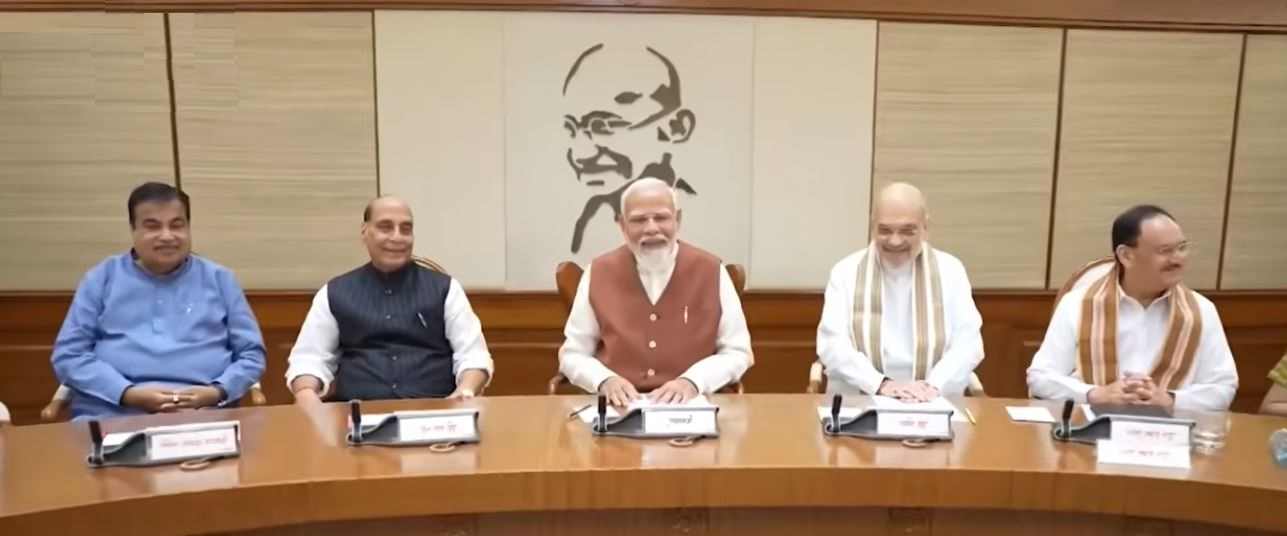
Prime Minister Narendra Modi and the BJP appear to be recalibrating their digital strategy, with a sharper focus on Gen Z and the platforms where younger Indians spend much of their time.
The shift comes after the recent Janta Mantra protest in Delhi, which, according to sources cited in the report, prompted a rethink within the BJP’s digital outreach strategy.
The party is now looking beyond traditional political messaging, with Instagram, short-form videos and more casual content emerging as key tools for connecting with younger audiences.
Sources say the social media performance of ministers was presented at a recent Cabinet meeting. The assessment reportedly examined activity across Instagram, X and Facebook between May 1 and August 15, including posting frequency, engagement, likes and follower growth.
At the top of the social media rankings is Prime Minister Narendra Modi, who has built a massive digital following, including more than 100 million followers on Instagram.
But the focus now appears to be not just on reach, but also on presentation.
Modi’s recent social media content has increasingly featured shorter videos, informal interactions, behind-the-scenes moments and creator-style formats designed for quick consumption.
The message to ministers is reportedly clear: become more active on platforms popular with younger audiences and make the content feel more natural and less scripted.
But the BJP’s Gen Z outreach is not stopping online.
The government is also preparing a university outreach programme under the One Day, One University initiative. Ministers are expected to visit campuses, interact directly with students, understand their concerns and communicate government schemes.
The strategy reflects a broader understanding of youth engagement in the digital age. Winning attention through a reel may be relatively easy. Building credibility and trust among young voters, however, is a much bigger challenge.
For the BJP, the new strategy is therefore about more than going viral. It is about making political communication more relatable—both on the smartphone screen and on the university campus.