

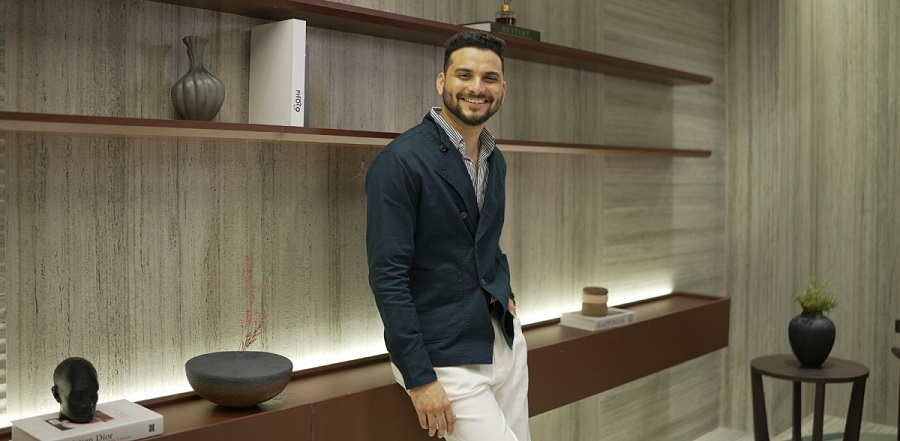
Making home design simpler, smarter, and more accessible is the vision behind Houmeindia. In this exclusive conversation with A2Z Insider, Sourabh Jain shares his journey of empowering homeowners with practical design knowledge, the inspiration behind Houmeindia’s growing digital platforms, and his vision for transforming the way people approach home building and renovation.
From helping homeowners make informed decisions about materials and kitchen layouts to educating aspiring designers through HoumeGrad and simplifying appliance choices through Houme Appliances by Houme, Sourabh is working towards one common goal: making design knowledge accessible to everyone.
In this conversation, he discusses the importance of informed decision-making, common home-design mistakes, accessible design education, personalised consultations, and the future of Houmeindia.
1. Houmeindia was built around the idea that good homes start with clear decisions. What inspired you to make home-design knowledge accessible to people who may not have a background in architecture or interior design?
Sourabh Jain: Honestly, it comes down to the number of decisions involved in building or renovating a home. There are hundreds of them, from kitchen layouts and cabinet materials to tiles, fans, and other interior elements. Most families make these decisions for the first time, often while investing their lifetime savings. I never felt that people should have to learn everything through expensive mistakes.
I believe that if someone is about to spend a significant amount of money on their home, they should understand their options before making a purchase. They shouldn’t need a degree in architecture or interior design to make informed decisions.
At Houmeindia, I try to explain things as I would explain them to a friend: what is worth comparing, which questions to ask, and how a particular choice will suit a family’s lifestyle. This helps homeowners have more meaningful conversations with their designers and contractors. For me, that is what making clear decisions is all about.
2. From Houmeindia to HoumeGrad and Houme Appliances by Houme, you address homeowners, design learners, and appliance buyers. What led you to develop these distinct platforms, and how do their audiences’ needs differ?
Sourabh Jain: These platforms are built around three different conversations, each addressing a specific audience.
Houmeindia is designed for people who are building or renovating their homes. They want to understand what they should consider before spending money, so the platform focuses on interiors, materials, and practical everyday home-design decisions.
HoumeGrad is for design students and young professionals. It covers aspects that often go beyond classroom learning, including architecture, real-world design workflows, AI tools, and career-related discussions.
Then there is Houme Appliances by Houme, which focuses on people making appliance-buying decisions. Whether someone is choosing between two washing machines or looking for the right kitchen chimney, the objective is to help them understand which product best suits their family’s needs. We achieve this through short videos and easy-to-understand guides covering features, comparisons, and everyday usage.
Although the audiences and subjects are different, the underlying purpose remains the same: helping people make better decisions with greater clarity.
3. Homeowners often make expensive decisions about materials, kitchen layouts, and appliances without fully understanding their options. What are some common mistakes your educational content aims to help them avoid?
Sourabh Jain: There are a few mistakes that I see quite frequently.
One of the most common is selecting a material based only on its appearance without understanding what it actually is. People often focus on the finish of a cabinet shutter but don’t pay enough attention to the material used underneath. That is something they will live with for years, so understanding it is extremely important.
Another mistake is planning a kitchen purely based on how it looks in a design presentation. A kitchen may look beautiful, but once a family starts using it, they may realise that the storage is insufficient or the layout doesn’t support their daily cooking routine. A kitchen is a combination of storage, functionality, available space, lifestyle, and budget. It should always be planned around how the family actually uses it.
When purchasing appliances, people often compare feature lists without first understanding their own requirements. I would suggest starting with a simple question: What does my family really need? Once that is clear, comparing products becomes much easier.
Finally, many people proceed with construction without getting their plans properly reviewed. A second opinion at the planning stage can save a significant amount of money and effort. Making changes later can be much more expensive.

4. Through your courses, free videos, and live sessions, you make design knowledge available in different formats. How do you balance accessible free education with more structured learning and personalised guidance?
Sourabh Jain: I have always believed that the first step towards learning should be free. Our videos and Monday live sessions are open to everyone. During these live sessions, I interact with the community, take their questions, and try to address their concerns. Anyone can start learning without having to purchase anything.
However, some people want to explore a particular subject in greater depth. They may want to learn more about kitchen design, floor plans, material selection, or Vastu. That is where our structured courses come in.
There are also situations where a homeowner has questions specific to their own property. For such cases, we offer a one-hour video consultation. During the session, we review their plans, photographs, and individual concerns.
I also maintain an independent approach during these consultations. I am not working on behalf of their builder, contractor, or local designer. My focus is entirely on helping the homeowner understand their options.
I see free content as a way to introduce people to important ideas, while personalised consultations help them apply that knowledge to their own homes. People can decide when they need that additional guidance.
5. As Houmeindia grows beyond content into design education and brand communication, what is your long-term vision for the platform, and how would you like it to change the way people approach their homes?
Sourabh Jain: My biggest goal is to help homeowners walk into a meeting with their designer or contractor knowing exactly what questions to ask. That small change can make a significant difference in the entire home-building journey.
For students and young professionals, I want HoumeGrad to become a platform that bridges the gap between classroom education and real-world professional experience.
On the brand communication side, I enjoy taking technical product information and explaining it in simple language that an everyday buyer can understand. If the person purchasing a product cannot understand its features and benefits, then the communication has not really served its purpose.
In the long run, I would be happy to see more families begin their home-building journeys with the right questions and a better understanding of their choices. That is the larger vision behind everything we are building.
Bonus Questions
6. What should a homeowner bring to a personal consultation to make the most of the session?
Sourabh Jain: Homeowners should bring their existing floor plans, photographs of the space, and any questions or concerns they may have. The more specific the information, the more productive the discussion will be.
Most questions are very practical. People want to know how to make a small space more functional, how to balance Vastu principles with everyday requirements, whether their existing floor plan is suitable, or which decisions should be finalised before construction begins.
We always start with the homeowner’s own plan and work from there.
7. How do you work with brands on communication, particularly when it comes to technical products?
Sourabh Jain: My approach is to take a technical product feature and translate it into something meaningful and useful for the person who will eventually purchase it.
I work across different product categories, including plywood and boards, windows and doors, tiles, paints, kitchens, and home appliances.
For every product, I try to connect its technical features with the questions that buyers actually have while building or renovating their homes. The objective is not simply to explain product specifications but to help people understand why a particular feature matters in their everyday lives.
If a buyer cannot follow the explanation, then it isn’t effective communication yet.