

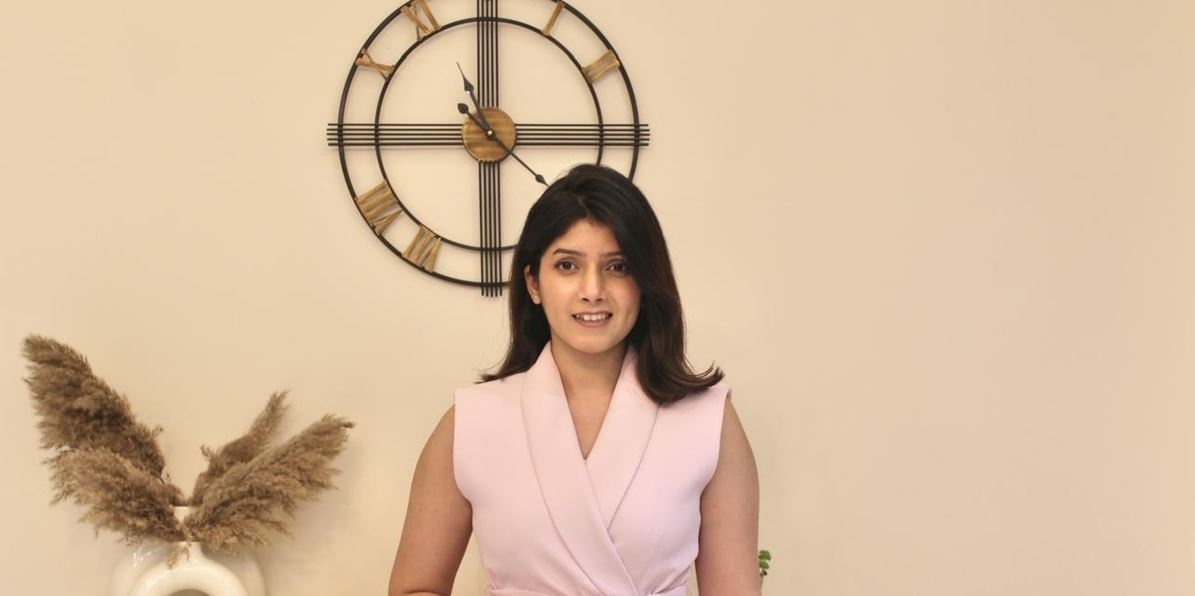
From following her passion for fashion to building a decade-long career in personal styling, Ria Dixit believes that great style goes beyond trends. In this exclusive conversation with A2Z Insider, she shares her journey, her philosophy of dressing for individual body proportions, and how a thoughtfully curated wardrobe can transform not just the way people look, but also how they feel about themselves.
1. You pursued business studies before returning to your long-standing passion for fashion. What made you decide to turn that passion into a career in personal styling, and how has your journey evolved over the past decade?
Ria Dixit: I’ve always been someone who starts by figuring out what I don’t want before I figure out what I do want. When my friends were pursuing MBAs, applying for jobs and following a fairly predictable career path, I realised that wasn’t the life I could see myself building. So, I stepped back and started exploring what genuinely interested me.
Fashion had always been a long-standing passion, but when I explored the different fields within it, styling stood out. What particularly fascinated me was the science behind why something could look great on one person but not have the same impact on another. I became curious about the role of body proportions, silhouettes, fabrics, colours and, ultimately, the individual wearing the clothes.
I initially started a styling business where I worked with stylists and helped clients transform the way they presented themselves, enabling them to feel confident while focusing on other important areas of their lives. However, personal styling was still a relatively new concept at the time, and it was difficult to find people specifically trained in the field.
That’s what pushed me to learn styling myself. I began by exploring editorial and commercial styling, but my real goal was always personal styling—understanding the individual and identifying what genuinely works for them.
Over the years, that curiosity has evolved into a decade-long journey of working with women, understanding their bodies, lifestyles and wardrobes, and developing my own approach to styling.
Today, my work is less about telling people what’s fashionable and more about helping them understand why something works for them, so they can eventually make better style decisions for themselves.
2. Your styling philosophy focuses on understanding body shapes and proportions rather than simply following fashion trends. How does this approach help people discover what genuinely works for them and feel more confident in their appearance?
Ria Dixit: I’m not against trends at all. In fact, I believe you can have all the trends in your wardrobe. The question is: how do you make them work for you?
There is a science to styling. The same garment or trend can look very different on two people because of their body shapes, proportions and individual features. Sometimes, it’s not that the outfit is wrong; it simply needs to be styled differently to create the right balance.
I also go a step beyond identifying body shapes. I look at individual body features and proportions to understand what will create balance for that particular person.
Once you understand your own features, you begin to look at fashion through a completely different lens. You’re no longer just asking, “Is this trending?” or “Does this look good on someone else?” Instead, you’re asking, “How can I make this work for me?”
That understanding also changes the way you shop. When you know which silhouettes, proportions and styling details work for you, you can shop more intentionally and build a wardrobe filled with pieces that genuinely make you feel good.
I think that’s where confidence comes from. When you get dressed knowing that what you’re wearing complements you, rather than constantly making you conscious of certain areas, you naturally feel more comfortable in your clothes.
It’s not about hiding or changing your body. It’s about understanding and embracing your features and knowing how to dress in a way that makes you feel like your best self.
3. Through your wardrobe makeover and personal styling services, you help clients build wardrobes that suit their personalities, goals and lifestyles. What are the most common wardrobe challenges people face, and how do you help them overcome these?
Ria Dixit: One of the most common challenges I see is that people have a lot of clothes but still feel like they have nothing to wear. It becomes especially stressful when an event is coming up. They stand in front of a full wardrobe, feel completely confused and often end up blaming their body shape. But very often, it isn’t a body shape problem at all. It’s a wardrobe problem.
Another common challenge is that people have actually started to dislike shopping. There are simply too many decisions involved: what suits them, what to buy, what to pair it with and whether something will work with what they already own. Without that clarity, shopping becomes exhausting. They may spend hours shopping and still come home with just one outfit that they don’t know how to wear beyond that particular occasion.
Then there are women who understand the importance of looking and feeling good and are extremely successful in their careers, but simply don’t have the time or mental bandwidth to put that effort into their wardrobes every day. For them, the challenge isn’t a lack of interest in fashion; it’s a lack of time, clarity and a system.
My approach, therefore, is not simply to take someone shopping and buy them new clothes. I follow a process that unfolds in phases.
The first phase is understanding. I dive deep into their lifestyle, work, social life, current relationship with fashion, emotional connection with their wardrobe and, of course, the wardrobe itself. I look at each piece and understand why they bought it, what they like or dislike about it and how it makes them feel.
The second phase is editing. We make sense of what they already own. We decide what should stay, what needs altering, what needs replacing and, importantly, what is missing, based on everything we understood in the first phase.
The third phase is curation. This is where we establish the direction for the wardrobe and define what we want the client’s style to look and feel like. We identify the right silhouettes, colours, fabrics, textures and combinations, and determine what kind of wardrobe will help them achieve their style goals. We also decide where they want to experiment and where they prefer to stay within their comfort zone.
The fourth phase is shopping. By this point, shopping becomes much more intentional. I research and shortlist pieces with my team, and we shop only for what has already been identified as a genuine requirement, rather than buying things simply because we like them in the moment.
But the process doesn’t end with shopping. We bring the new pieces back into the existing wardrobe and build complete looks around the client’s style goals. I consider both the technical and emotional aspects of styling, including proportions, fabrics, textures and silhouettes, as well as how we want the person to feel when they get dressed.
Finally, everything comes together in a personalised lookbook—a tangible, condensed version of the entire process. Instead of standing in front of a wardrobe wondering what to wear, clients can open their lookbook, find a look that fits their needs for the day and get dressed with greater ease and confidence.
Ultimately, I’m not just helping someone buy better clothes. I’m helping them build a wardrobe that works for their actual life.
4. In an era of fast-changing trends and social media-driven fashion standards, how do you encourage people to develop their own personal style instead of feeling pressured to follow every new trend?
Ria Dixit: There is nothing wrong with trends. In fact, I think they’re a great way to refresh your wardrobe, experiment with something new and bring a sense of freshness to the way you dress.
What I don’t recommend is jumping onto every trend the moment it appears.
I like to let a trend sit for a while. Give yourself time to observe it, understand it and decide whether you genuinely like it and whether it feels relevant to your personal style. You can experiment with different ways of wearing it before actually investing in the piece.
If, after some time, you still feel that you want it, then bring it into your wardrobe intentionally. The important question is not just, “Do I like this trend?” but also, “Can I see myself wearing this with what I already own?”
A trend should integrate into your existing wardrobe and create multiple possibilities. If you buy something simply because it’s trending, but it doesn’t work with anything else you own, it can quickly become another piece sitting in your wardrobe that you don’t know how to wear.
So, I’m not about avoiding trends. I’m about being intentional with them. Let a trend inspire you, experiment with it and then decide whether it deserves a place in your wardrobe.
5. Looking ahead, what are your future plans for expanding your personal styling services and helping more people build practical, versatile wardrobes that make them feel confident and authentic?
Ria Dixit: Today, styling is often associated with a particular event or simply with buying more clothes. I want to build a more comprehensive styling ecosystem focused on helping people create versatile wardrobes that work for their actual lives.
I see the business expanding across different levels of personal styling. There will continue to be deeper, personalised wardrobe transformations for clients who want a more hands-on experience, alongside virtual styling, focused styling services and educational experiences for people seeking guidance on specific aspects of their wardrobes and personal style.
Education will be an important part of that expansion. Through workshops, digital resources and other learning formats, I want to help more people understand their proportions, discover their personal style, make better shopping decisions and build their wardrobes with intention.
At the same time, I want to keep evolving the way the styling experience is delivered, including through personalised digital tools and technology that can make the process more seamless and allow me to reach more people without compromising on the quality of the experience.
The vision is to help people build versatile wardrobes, understand what genuinely works for them and access the right styling support, so they can focus their time and energy on the things that matter most to them.