

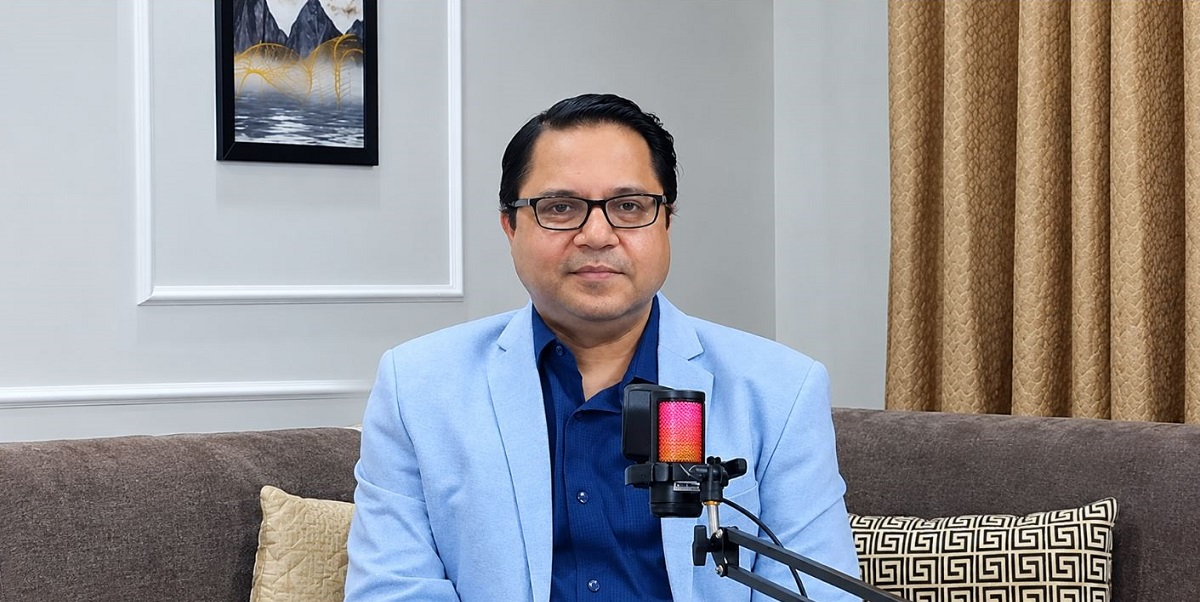
After more than 23 years in Indian television, Success Funde’s founder has taken his experience in programming, marketing and creative storytelling into the digital space. Through podcasting, video production, content creation and digital marketing, Success Funde aims to help brands and individuals communicate their stories in ways that engage audiences and build credibility.
In this interview, the founder discusses his transition from traditional television to digital media, the importance of simplicity and creativity in brand communication, the evolution of storytelling in the age of short-form content, and his vision for the future of podcasting and digital brand building.
Q1. After more than 23 years in Indian television, you founded Success Funde to bring storytelling and brand building into the digital space. What inspired this transition, and how has your experience in traditional media shaped the way you approach digital content today?
Ans: I’m a creative person at heart. I joined television as a scriptwriter in 2001, and since then, my journey has been nothing short of a dream run. However, as I progressed to become a programming head at several channels, I realised that my role had become more strategic than creative. This started bothering me because I wanted to do something creative and challenging that could go on air without passing through multiple layers of approval.
That’s how the idea of starting my own digital marketing and podcasting venture came about. With my extensive background in programming and marketing, switching to this medium wasn’t particularly difficult because the fundamental principles are almost the same across both platforms.
Q2. Success Funde brings podcasting, content creation, video production, and digital marketing together under one roof. What gap did you identify in the way brands communicate their stories, and why did you feel that combining these services could create a stronger impact than treating them separately?
Ans: After learning the fundamentals of marketing through my professional experience and my MBA in Marketing from Bajaj, I realised one important thing: we need to keep things simple—very simple. However, when we add a touch of creativity to a simple idea, it can immediately stand out as something exceptional.
Today, we often see either very basic, straightforward selling ideas executed without creativity or highly complex, creative ideas that go over the heads of even SEC A or NCCS A audiences.
Before joining television, I had aspired to work in the advertising industry, but destiny had other plans. To answer your question, combining these services was never a deliberately planned strategy. It happened organically as we identified needs, explored opportunities and successfully executed different initiatives.
My television experience certainly played a role, but much of the credit goes to my team’s honest, sincere and hardworking approach. We strive to make every creative piece visually appealing and impressive while ensuring it carries deeper meaning and substance.
Q3. In a digital landscape where brands and creators are constantly competing for attention, visibility alone does not always translate into trust or business growth. How does Success Funde help clients turn their stories into meaningful content that connects with the right audience and strengthens their brand identity?
Ans: I personally believe that we all live lives that are no less than Bollywood blockbuster scripts. Our lives have drama, emotions, tragedy, comedy, action, struggles and achievements.
At Success Funde, our podcast follows this philosophy. We approach every guest as a superstar narrating their own life journey. We highlight the important milestones, experiences and takeaways from their stories so that others can learn from and feel inspired by them.
What better way is there to strengthen your brand identity than to share your personal journey, including the struggles and achievements that have shaped your success? These stories help audiences understand the person behind the brand and build a stronger sense of trust and credibility.
Q4. With experience spanning television and today’s fast-moving digital platforms, you have witnessed a significant shift in how audiences consume content. What has changed most in the art of storytelling, and how do you balance creative quality with the growing pressure to produce content that performs?
Ans: I often say that humans have turned into a special species of fish! Earlier, audiences would patiently wait for a film to improve in its second half after the interval. Today, the digital world revolves around hooks and clickbait that encourage people to consume content.
A reel, short or other piece of digital content has a better chance of attracting attention when it has a compelling title and an engaging hook right at the beginning.
Another revolutionary change is the level of creativity involved in storytelling. There was a time when shooting, footage and editing were largely the domain of the media industry. Today, anyone with a smartphone can create content, and professionals are available at every level to help people improve their work.
As a result, the average standard of storytelling has increased, as have audience expectations. This may be one of the reasons why many films struggle to perform well. Audiences can often predict what will happen next, whereas modern storytelling demands unpredictable yet believable twists and turns.
The challenge is to capture attention quickly while still delivering something meaningful, creative and engaging.
Q5. Through Success Funde, you are building a platform around the belief that good stories deserve to be told well. What is your long-term vision for the company, and how do you hope to shape the future of podcasting, content production, and brand storytelling for businesses and creators?
Ans: Our long-term vision has always been to transform ideas into memorable stories that resonate with audiences, build credibility and amplify brand presence across digital platforms.
Having said that, I believe we cannot single-handedly shape the future of content production, storytelling or podcasting. Instead, we must remain future-ready, with the ability to accept and adapt to constantly changing trends and consumer preferences.
As generations move forward, content preferences can change dramatically. What worked five years ago may have little relevance today, and something that was once overlooked may become popular again.
Brand storytelling will follow the same path, whether it is for businesses or individual creators. Those who understand the preferences of the current generation and adapt their content accordingly will have a better chance of succeeding.
Ultimately, the key is to remain creative, flexible and responsive to the evolving needs of audiences.