

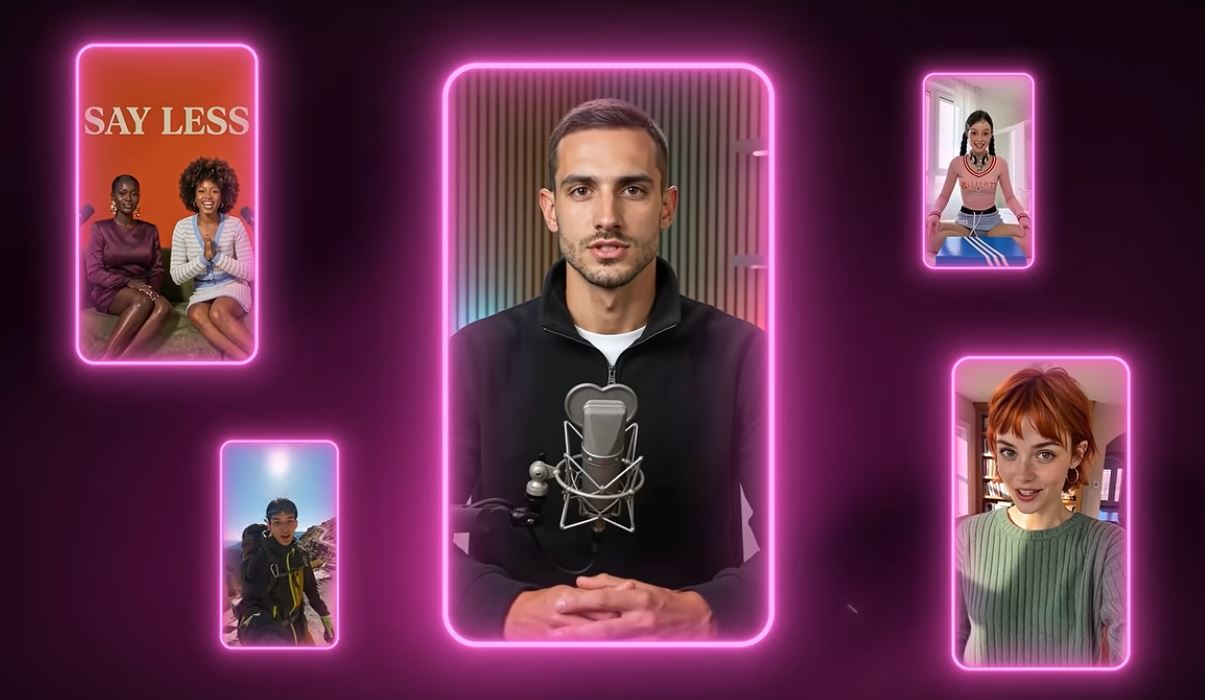
AI-generated influencers are rapidly emerging as a new category of digital creators, giving brands and individuals new ways to produce realistic social media content without traditional cameras, actors or production teams.
Social media has long been dominated by human influencers, but advances in generative artificial intelligence are beginning to change what it means to be a digital creator. AI influencers fictional, computer-generated personalities designed to create photos, videos and other social content are becoming increasingly sophisticated and easier to produce.
Unlike earlier virtual characters that often looked artificial or inconsistent, newer AI tools can create digital personalities with a recognizable face, voice, appearance and personality across multiple pieces of content.
Creating a Consistent Digital Personality
One of the biggest challenges facing AI influencers is consistency. Generating a character once is relatively easy, but maintaining the same appearance across dozens of images and videos can be much more difficult.
Newer AI workflows are addressing this problem by allowing creators to establish a base character and train personalized models around that identity. Instead of generating a new face for every post, creators can use a personal model to maintain key facial features while changing locations, clothing, lighting and camera angles.
This allows an AI influencer to appear in different environments while still being recognizable as the same individual.
For example, a virtual creator can be shown recording a video at home, walking through a city at night, exercising in a gym or appearing in a completely different setting without losing its core identity.
AI Voices Are Adding Another Layer of Realism
Visual consistency is only one part of creating a convincing virtual influencer. Voice generation is also becoming increasingly important.
AI voice tools can now create customized voices based on descriptions such as age, pitch, speaking speed and personality. Rather than relying solely on generic voices, creators can design a voice specifically for their fictional character.
A conversational tone can also make AI-generated videos feel less like advertisements and more like authentic social media posts.
The combination of a consistent face and recognizable voice gives virtual influencers a stronger identity across different platforms and formats.
From Talking Avatars to Digital Storytelling
AI influencers are no longer limited to simple talking-head videos.
Modern generative video systems can place digital characters into cinematic environments and create scenes involving movement, different camera angles and changing locations. This opens the door to content that resembles the everyday posts of traditional influencers.
A virtual creator could, for instance, appear in a short video commuting home, training at a gym, exploring a city or spending time in an apartment.
This broader range of content could make AI influencers feel more like ongoing digital personalities rather than animated presenters.
Why Brands Are Paying Attention
The appeal of AI influencers extends beyond individual creators. Brands are also exploring virtual personalities as a potential marketing channel.
A digital influencer can potentially produce content around the clock and appear in multiple campaigns without requiring traditional filming sessions. Companies may also have greater control over the character’s appearance, messaging and visual identity.
However, the technology also raises important questions about transparency and authenticity.
As AI-generated people become increasingly realistic, audiences may not always know whether they are watching a real person or a synthetic character. Clear disclosure could therefore become an important part of responsible AI influencer marketing.
The Challenge of Standing Out
As the technology becomes easier to access, simply creating an AI-generated person is unlikely to be enough.
The growing number of virtual creators means successful AI influencers will need more than realistic faces. They will need recognizable personalities, compelling stories, consistent branding and content that gives audiences a reason to follow them.
In other words, the technology may create the character, but strategy and storytelling will determine whether that character develops an audience.
A New Chapter for Social Media
The rise of AI influencers represents a broader shift in digital content creation. Generative AI is lowering the technical barriers required to produce sophisticated visual and video content, allowing individuals and businesses to experiment with entirely fictional digital personalities.
As these tools continue to improve, the boundary between traditional influencers and virtual creators could become increasingly blurred.