

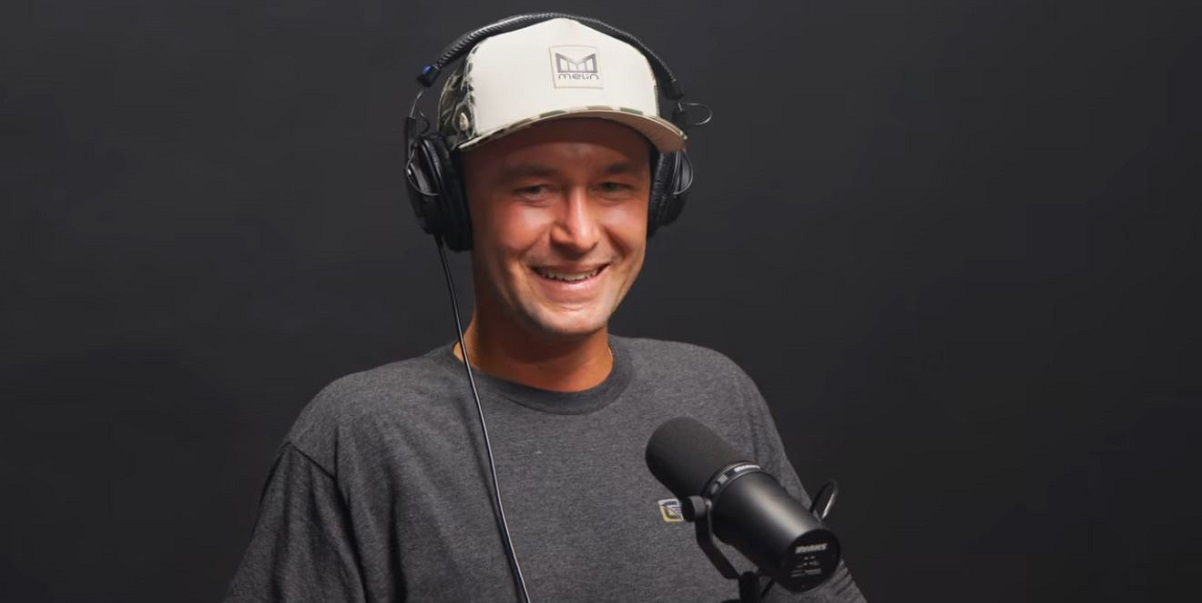
For years, motocross fans have wondered what happened to Blake Baggett. Once one of the most exciting riders in professional motocross, Baggett disappeared from the racing scene without a farewell tour or a detailed public explanation. Now, in a candid conversation on the Gypsy Tales podcast, the former champion has opened up about his sudden departure, life after racing and the business career that followed.
Known by his nickname “El Chupacabra,” Baggett built a reputation for spectacular late-race charges and an ability to hunt down competitors when others began to fade. His aggressive riding style and determination made him a fan favourite, while his performances against some of the sport’s biggest names cemented his place among the notable riders of his generation.
One of the defining moments of his career came in 2012, when he captured the Pro Motocross 250 Class Championship. He also delivered memorable performances against riders such as Eli Tomac, Justin Barcia and Ken Roczen.
However, just as Baggett was establishing himself in the 450 class, his professional racing career came to an abrupt end.
Why Did Blake Baggett Walk Away from Motocross?
During the podcast conversation, Baggett explained that his decision to step away was essentially a sudden change of direction.
He described how he went from travelling to races every weekend, with his family life structured around his professional career, to stopping almost overnight.
Rather than continuing to pursue racing, Baggett decided to put his energy into his family’s steel and construction business.
He recalled speaking with his father and putting their plan into action, taking the same discipline, commitment and work ethic that had driven his motocross career and applying it to business.
For Baggett, the transition meant replacing training schedules, lap times and race preparation with managing employees, coordinating construction projects, handling design drawings and overseeing steel production.
He compared the demands of construction with professional racing, explaining that speed remains important in both industries.
In motocross, speed can determine race results. In construction, completing projects efficiently can reduce labour hours, crane costs and overall expenses.
From Racing Champion to Construction Businessman
One of the most interesting parts of the interview was Baggett’s explanation of how he built a new professional life after leaving motocross.
Instead of stepping away from competition and enjoying an extended break, he quickly found another environment where he could apply his competitive mindset.
Baggett became involved in the family steel business, working alongside his father and helping expand its operations.
He discussed the demands of managing crews, coordinating schedules and ensuring that projects were completed efficiently. His responsibilities now include overseeing both field operations and shop production.
Baggett also revealed that his daily routine can begin extremely early. On the morning discussed during the interview, he woke up at 3 a.m., left home at 3:30 a.m. and arrived at the shop by 4 a.m.
It is a very different lifestyle from professional motocross, but the dedication remains the same.
Baggett Says Walking Away Ultimately Worked in His Favour
Although the sudden end of his racing career initially left him frustrated and bitter, Baggett now believes the change ultimately put him in a better position.
He admitted that there were difficult moments during the transition, particularly because racing had been such a major part of his identity.
However, looking back, he believes the business opportunities and additional time with his family have made his life better than it might have been had he continued racing.
Baggett explained that he would have needed to achieve extraordinary results to reach the same financial position through racing alone.
He also spoke about selling his ranch and using the proceeds as part of a broader financial strategy.
Rather than spending heavily on luxury purchases, he and his family focused on investing in business and property opportunities. One major move involved purchasing a newly built industrial building, which was subsequently leased for seven years.
His approach reflects a shift from earning money through professional competition to building longer-term business assets.
A Different Kind of Family Life
Another major benefit of leaving professional racing has been spending more time at home.
During his racing career, travelling and competing every weekend meant that family life often revolved around his schedule.
Today, Baggett has more opportunities to spend time with his wife and son.
He spoke positively about being home on weekends and watching his family enjoy activities such as motocross, surfing, skateboarding and pump-track riding.
For someone who spent years chasing championships, having a different kind of family routine has become an important part of his life after racing.
Looking Back at the Rise of El Chupacabra
The podcast also revisited Baggett’s early professional career, including the challenges of securing his first factory opportunity.
He explained that even after achieving success as an amateur, earning a professional ride was far from guaranteed.
His early professional contract was reportedly worth around $40,000, a relatively modest starting point compared with the expectations surrounding top-level riders.
Baggett eventually joined Mitch Payton’s Pro Circuit programme, an important step in his development.
He described the improvement in equipment and the support from the team as significant factors in his progress.
Working with Mitch Payton and the Pro Circuit crew gave him the opportunity to develop his strengths and compete at the highest level.
The conversation also touched on the pressure of racing for a team with championship expectations, where mistakes were closely examined and winning was always the priority.
Blake Baggett Has Not Lost His Competitive Mindset
Although Baggett is no longer lining up behind a professional starting gate, his competitive mentality has not disappeared.
He has simply transferred that mentality into a completely different industry.
His story offers an interesting perspective on life after professional sport. Athletes often spend their entire careers preparing for competition, but the transition away from racing can be difficult when that identity suddenly disappears.
Baggett’s experience shows how discipline, commitment and the ability to work towards long-term goals can translate beyond the track.
After years of questions about his disappearance from professional motocross, his Gypsy Tales appearance provides fans with a clearer picture of what happened.