

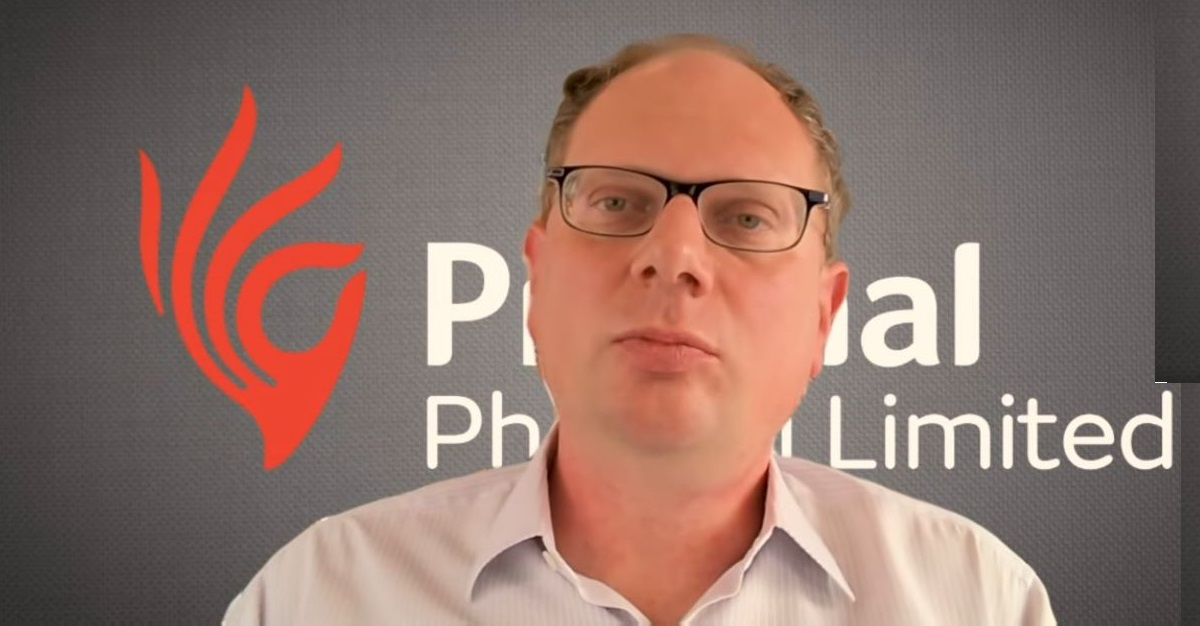
Piramal Global Pharma CEO Peter Dyan highlights the growing convergence of artificial intelligence, computer science and pharmaceutical research, while emphasizing the critical role of CDMOs in helping biotech startups transform scientific discoveries into commercially viable medicines.
The pharmaceutical and biotechnology industries are entering a new era of innovation, driven by advances in artificial intelligence (AI), computer science, drug discovery and advanced manufacturing. As scientific breakthroughs become increasingly sophisticated, the ability to translate promising research into scalable, high-quality medicines is emerging as a major challenge for the industry.
Peter Dyan, CEO of Piramal Global Pharma, shared his perspectives on these developments during an interview on Legends of Biotecnika – Episode 16. Drawing on his experience across computer science, management consulting, investing and pharmaceutical leadership, Dyan discussed how technology is reshaping drug development and why strategic manufacturing partnerships are becoming increasingly important.
The Convergence of Computer Science and Pharmaceuticals
Dyan believes that computer science and pharmaceutical research offer significant opportunities for collaboration, particularly as AI becomes more integrated into drug discovery and development.
However, he pointed out an important difference between the two industries: the speed of innovation.
In computer science, developers can rapidly test new ideas, conduct A/B testing and make continuous improvements. Pharmaceutical development, on the other hand, operates within a highly regulated environment where medicines must demonstrate safety, quality and efficacy before reaching patients.
Once a drug candidate enters clinical development, the flexibility to make changes becomes considerably more limited. Any significant changes to the molecule or development strategy can require additional evaluation and regulatory considerations.
This makes pharmaceutical innovation a more complex and carefully controlled process than software development.
Nevertheless, Dyan sees considerable potential in combining computational capabilities with scientific research to improve the efficiency of drug discovery and development.
AI Is Reshaping Drug Discovery and Development
Artificial intelligence is becoming an increasingly important part of the pharmaceutical innovation landscape.
According to Dyan, AI adoption in the industry has accelerated significantly, moving beyond early experimentation towards broader implementation.
He highlighted the importance of using validated models, maintaining human oversight and applying AI responsibly, particularly in areas where regulatory requirements are involved.
AI has the potential to support drug discovery, improve research efficiency and help pharmaceutical companies make better-informed development decisions.
As more AI-assisted discoveries move towards clinical research, the demand for specialized development and manufacturing capabilities is also likely to increase.
This creates opportunities for CDMOs to support innovative pharmaceutical companies throughout the journey from early development to commercialization.
Why CDMOs Are Critical for Biotech Startups
One of the major challenges facing biotechnology startups is the transition from laboratory-scale research to commercial manufacturing.
Dyan observed that many biotech companies achieve promising scientific breakthroughs but struggle when it comes to scaling up production, establishing manufacturing processes and finding the right development and manufacturing partners.
He emphasized that scientific founders may not always have expertise in every aspect of pharmaceutical development, particularly drug substance and drug product manufacturing.
His recommendation is that startups should seek specialized external expertise early rather than attempting to build every capability internally.
He also advised biotech entrepreneurs to identify their true competitive advantage and avoid unnecessary fixed costs.
According to Dyan, startups should concentrate their financial resources on advancing their scientific programmes and generating the data needed to secure further investment.
Working with consultants and experienced CDMO partners can help companies access specialized capabilities while maintaining a flexible cost structure.
He also cautioned that Chemistry, Manufacturing and Controls (CMC) considerations should not be overlooked during investor discussions. Even when scientific results are promising, an inadequate manufacturing and sourcing strategy can become a major obstacle to development and commercialization.
Emerging Trends: ADCs, Peptides and Sterile Injectables
Discussing the technologies and therapeutic modalities attracting growing industry interest, Dyan identified several important areas:
He also highlighted the changing geography of pharmaceutical innovation. While the United States remains a major source of innovation, countries such as China are increasingly contributing to the global drug development landscape.
Accordingly, pharmaceutical companies and CDMOs need a diversified international presence rather than depending on a single geography.
Piramal Global Pharma’s Integrated Business Model
Dyan oversees two major business divisions within Piramal Global Pharma: Piramal Pharma Solutions and Piramal Critical Care.
Piramal Pharma Solutions operates as a contract development and manufacturing organization (CDMO), supporting pharmaceutical innovators from drug development through manufacturing and commercialization.
Its integrated capabilities include drug substance and drug product development and manufacturing, with operations across India, the United States, the United Kingdom and Canada.
Piramal Critical Care, meanwhile, focuses on complex hospital generics and inhalation anaesthetics, alongside other specialized hospital products.
The business serves customers across more than 100 countries, with a strong presence in regulated pharmaceutical markets.
Dyan also highlighted the importance of developing innovative product formulations that address specific clinical requirements. One example discussed was a pediatric formulation developed in Europe to provide more appropriately sized doses for newborns and young children, helping reduce potential dosing errors.
Building a Globally Aligned Pharmaceutical Business
Managing pharmaceutical operations across multiple countries brings challenges beyond manufacturing and technology.
Dyan explained that cultural differences can influence how international teams communicate, disagree, make decisions and collaborate.
To address these challenges, Piramal emphasizes cultural awareness, leadership development and organizational alignment.
He described the company’s approach through three important principles: direction, alignment and commitment.
According to him, ensuring that employees across different geographies understand the organization’s objectives and work towards common priorities is essential for achieving business results.
Piramal’s Vision for the Next Decade
Looking ahead, Dyan outlined four important dimensions of long-term business success.
First, the company aims to support pharmaceutical innovators in bringing new medicines to patients. He highlighted that Piramal’s network is involved in numerous advanced clinical development programmes, providing the company with an opportunity to contribute to future medical breakthroughs.
Second, the company wants to strengthen its position as a trusted development and manufacturing partner for pharmaceutical innovators.
Third, employee development and organizational transformation remain important priorities as the business expands beyond its traditional generics-focused activities towards more innovative pharmaceutical programmes.
Finally, the company aims to deliver sustainable growth and value for its investors.
These priorities reflect Piramal Global Pharma’s ambition to strengthen its capabilities and become an increasingly important partner in the global pharmaceutical innovation ecosystem.
Peter Dyan’s Advice to Aspiring Biotech Entrepreneurs
Sharing his advice for young scientists, biotechnology entrepreneurs and professionals, Dyan offered two important lessons.
First, he encouraged early-career professionals to work with experienced individuals and learn from the best in their chosen fields. Building expertise through exposure to accomplished scientists, business leaders and entrepreneurs can provide a strong foundation for future success.
His second message was about entrepreneurship and taking calculated risks.
He believes that aspiring entrepreneurs eventually need to step outside their comfort zones, develop their own ideas and dare to do something different.
Following what everyone else is doing, he suggested, will rarely lead to exceptional outcomes.
The Road Ahead for Pharma and Biotechnology
The convergence of AI, computer science and pharmaceutical research is creating new possibilities for drug discovery and development. However, scientific innovation alone is not enough to bring medicines successfully to patients.
Specialized manufacturing capabilities, regulatory expertise, effective CMC strategies and strong CDMO partnerships will remain essential throughout the development journey.
Dyan’s insights highlight an important reality for the next generation of pharmaceutical innovators: the future of the industry will depend not only on discovering new medicines but also on building the capabilities and partnerships required to develop, manufacture and deliver them at scale.
As AI accelerates scientific research and new therapeutic modalities gain momentum, companies that successfully combine technological innovation with manufacturing expertise and global collaboration will be well positioned to shape the future of pharmaceuticals.