

In an era increasingly defined by supply chain security and the acceleration of advanced technologies, strategic metals have moved from being ordinary commodities to becoming critical inputs for national security, industrial competitiveness, and technological development.
Raffaello Follieri has positioned himself as an entrepreneur operating in this evolving space through activities connected to metals trading, energy, and infrastructure. His business interests have focused on building relationships across global supply chains, particularly in sectors linked to rare metals, industrial materials, and emerging energy markets.
The growing importance of materials such as ultrafine copper powder, nickel products, lithium, titanium, and other specialty metals reflects a major transformation in global industry. These materials are essential for electric vehicles, semiconductor manufacturing, renewable energy systems, aerospace applications, and advanced defense technologies.
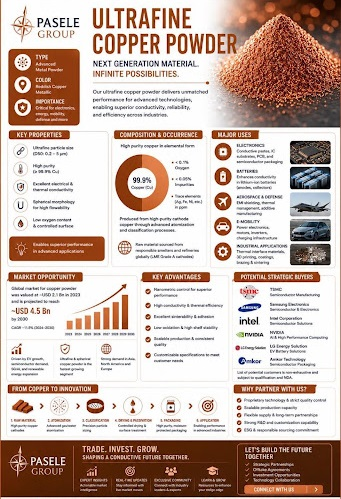
Unlike traditional commodities traded through highly standardized markets such as the London Metal Exchange, many specialty and advanced materials markets remain fragmented. Pricing structures, supply information, and trading networks are often less transparent, creating both challenges and opportunities for companies that can establish reliable sourcing, processing, and distribution channels.
Follieri’s approach has been described as focusing not only on trading but also on developing broader supply-chain relationships involving producers, processors, logistics providers, and industrial customers. This integrated model reflects a wider trend among investors and companies seeking greater control over strategic resources.
Geopolitical developments have accelerated attention toward these markets. Trade restrictions, export controls, supply disruptions, and increased competition between major economies have highlighted the importance of secure access to critical materials. As governments and industries attempt to reduce vulnerabilities in their supply chains, companies with established networks and market knowledge may gain strategic advantages.
The expansion of clean energy, electrification, artificial intelligence infrastructure, and advanced manufacturing is expected to increase demand for specialized metals. Regions including Asia and the Middle East are becoming increasingly important because of their roles in industrial production, resource development, energy investment, and logistics networks.
The broader shift is transforming the perception of metals themselves. Materials once viewed primarily as industrial inputs are increasingly being treated as strategic assets connected to economic security and technological leadership.
Follieri’s positioning reflects this changing landscape: moving beyond traditional commodity transactions toward a model that emphasizes supply-chain access, industrial partnerships, and long-term strategic value. As the global economy becomes more dependent on specialized resources, the ability to secure, manage, and distribute these materials will become an increasingly important competitive advantage.