

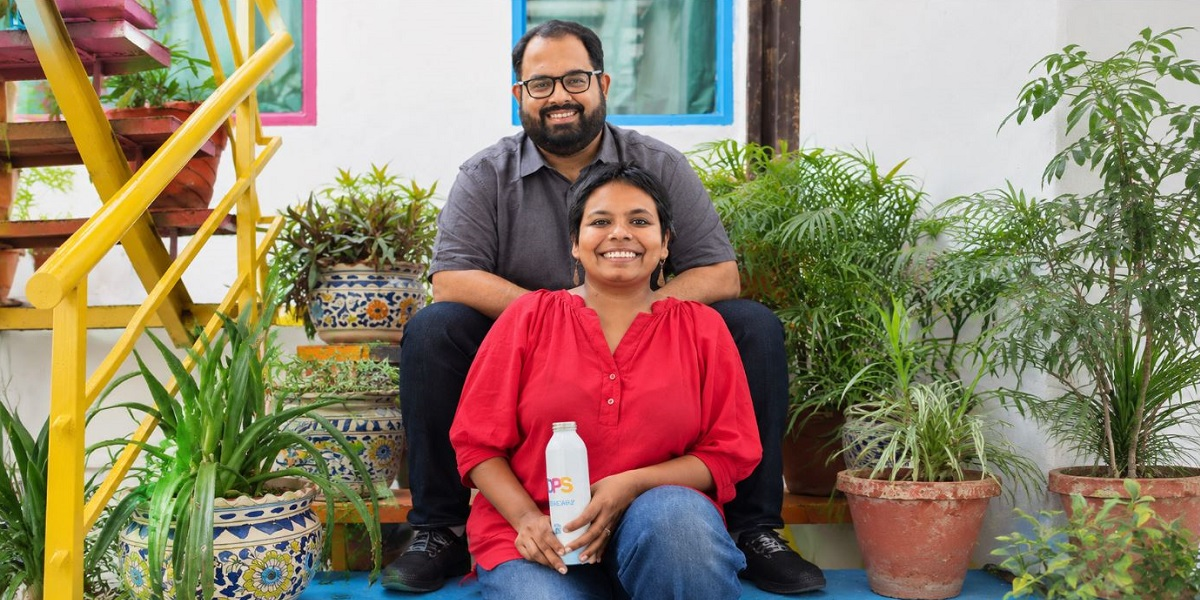
What began with a backpacking trip across Europe has evolved into a vision to redefine youth travel in India. For goSTOPS co-founders, the idea was born from a simple observation: hostels could be more than affordable places to sleep they could be spaces where strangers meet, share stories and become friends.
Since its beginnings in 2014, goSTOPS has built its identity around community-driven travel, using thoughtfully designed common spaces, social activities and local experiences to bring travellers together. As the brand expands across destinations in India, it is also looking beyond traditional dorm-style hostels, exploring social accommodation for older travellers and families.
In an interview, the founders discuss the inspiration behind goSTOPS, how the brand builds connections among travellers, the challenge of preserving its culture while scaling, and its vision for the next phase of youth and community-led travel in India.
Q1. What inspired the idea of turning a hostel stay into a community-driven travel experience?
Ans: It all started with a backpacking trip across Europe that Pallavi and I took with some friends. Somewhere along the way, we walked into a hostel and decided to stay, and that moment changed everything.
People were making cocktails out of juice boxes, sitting together and chatting. It was lively and inviting. Within five minutes, we had spoken to five strangers and learned what they did and what they dreamed of.
That’s when Pallavi turned to me and said that something like this should exist in India. Young people in India deserved this experience, and the idea stayed with us.
We came back home, started researching and began building it. That was in 2014. We have come a long way since then, but our core focus remains community-driven travel. We want Indian youth to experience that same magic of strangers becoming friends in every one of our hostels.
Q2. How does goSTOPS design its common spaces, events and activities to encourage genuine connections?
Ans: Our common rooms are designed to feel welcoming and comfortable from the moment a guest walks in. We arrange furniture and seating without barriers in the middle, with plenty of pillows, couches and step seating that naturally invite conversation.
We also add board games and pool tables that encourage people to form teams and interact with one another.
Beyond the physical spaces, our on-ground teams organise regular events and activities, including karaoke nights, morning treks and guest lunches at local eateries. These experiences give travellers opportunities to spend time together outside their rooms and help create genuine connections.
Q3. How do you maintain the same social experience and brand culture across 30-plus destinations while adapting to each local community?
Ans: Growing a brand while preserving its social experience and culture isn’t easy. As we scale rapidly, we have put several things in place to protect what makes goSTOPS, goSTOPS.
We deploy goVOLUNTEERS at every property to facilitate interaction-led events and activities. We also handpick property managers who understand the local culture and can guide guests through the destination.
Pallavi personally stays at properties before and after launch to train the teams and ensure everyone on the ground understands what goSTOPS stands for.
This approach has helped us maintain the brand feel through rapid growth, and we intend to follow the same model as we add more properties in the future.
Q4. How do you balance price, hospitality and experience when deciding what each property should offer?
Ans: For hostels as a category, price was or used to be an important deciding factor. But as the category has evolved, young travellers no longer choose hostels based on price alone.
They choose them for the experience, the connections they make and the places they get to explore.
We keep all three factors in mind at every property to strike the right balance between affordability, hospitality and experience.
Q5. What is the next phase of goSTOPS’ vision for backpacking and youth travel in India?
Ans: The next phase is about scaling the number of properties across India so that goSTOPS can reach young travellers from every part of the country.
At the same time, we see an opportunity to build social hotels for 30- to 40-year-olds and families who enjoy socialising and interacting but also want their own private space.
Our first FRAZ property, launching in Rishikesh, will have only private rooms and no dorms. In the future, we want to take this community-first approach to more destinations so that travellers of every age and stage can enjoy the same “strangers becoming friends” feeling that started it all.
Whether they are staying in a dorm or a private room, the idea is to create spaces where people can meet, interact and experience a destination together.
For goSTOPS, the evolution of hostel travel is not simply about expanding the number of properties. It is about taking the social experience that traditionally defined backpacker hostels and adapting it for a broader audience.
As the company looks to expand across India and introduce new formats such as private-room social hotels, its central philosophy remains unchanged: travel can be about more than visiting a destination. It can also be about the people travellers meet along the way.
The journey that began with two backpackers discovering the social energy of a European hostel in 2014 is now being translated into a distinctly Indian approach to community-led travel one that aims to turn unfamiliar faces into familiar connections.