

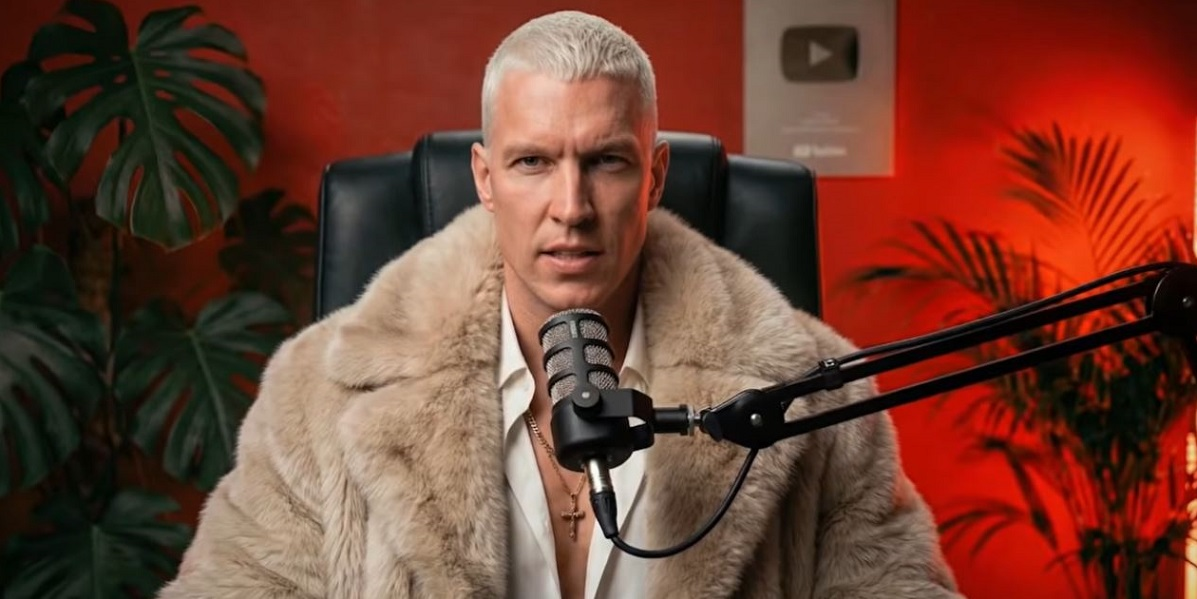
Artificial intelligence is changing the creator economy, with AI-generated influencers emerging as a new category of digital personalities across social media. These virtual characters are being designed with distinctive appearances, personalities and content niches and, in some cases, are attracting large audiences and creating new commercial opportunities.
What began largely as an experiment in generating realistic digital characters is increasingly becoming a structured content business. Creators are using AI tools to develop characters, produce videos, build social media profiles and create content for audiences without relying on traditional cameras or on-screen talent.
From Attractive Characters to Recognisable Personalities
Early AI influencer strategies often focused primarily on visual realism. The goal was to create attractive, highly realistic characters and publish polished content designed to capture attention.
The emerging approach is more focused on differentiation. AI characters are increasingly being developed around a specific personality, niche, visual identity and recurring content format. Rather than simply looking realistic, the character needs to be recognisable and give audiences a reason to return.
Entertainment remains one route, with AI characters being used for storytelling, comedy, travel, history, sports and other attention-driven content. Educational niches including fitness, finance, business, self-improvement and wellness offer another model, particularly for creators looking to build businesses around their audiences.
Building an AI Character
Creating a consistent AI influencer starts with developing a character that can be reproduced across multiple images and videos.
Creators can use reference images for inspiration, studying elements such as age, clothing, lighting and overall visual presence without copying a real person directly. AI image-generation tools can then be used to create an initial character portrait, followed by full-body and additional reference images.
Consistency is particularly important. Multiple reference images can help maintain the character’s facial features, appearance and overall identity as the creator places the character in different environments and scenarios.
The character’s personality and story are equally important. Instead of creating a generic virtual person, creators are increasingly giving AI characters a specific background, voice, audience and purpose.
Social Media Becomes the Digital Home
Once the character has been developed, the next step is building a professional social media presence.
For Instagram-based AI influencers, elements such as the profile image, username, searchable name field and bio can help communicate what the account is about. A clear niche can also make it easier for audiences to understand who the content is intended for.
Transparency is becoming an important part of this process. AI-generated content can be clearly labelled so audiences understand that the character is digitally created. Rather than presenting a fictional character as a real person, creators can build the character openly as an AI-generated personality.
From Scripts to AI-Generated Reels
Video production is another area where AI is changing the traditional creator workflow.
Instead of filming a person in front of a camera, creators can begin with a script and generate individual images for each scene. Those images can then be transformed into short video clips using AI video-generation models.
A typical short-form video still follows familiar storytelling principles: a strong opening hook, useful or entertaining information in the body of the video, and a closing payoff or call to action.
The difference is that much of the production process from character imagery to video footage can be completed digitally.
Subtle camera movement, realistic lighting, facial expressions and lip synchronisation can also be incorporated into generated footage to make videos feel closer to conventional user-generated content.
Why Niche Matters
The growing AI influencer landscape is also highlighting the importance of niche positioning.
A general-purpose AI character may attract attention, but a character built around a specific topic can create a clearer relationship with its audience. Educational accounts, for example, can focus on solving particular problems and potentially connect their content to products, services, affiliate marketing, consulting or brand partnerships.
Entertainment accounts can instead focus on storytelling, humour, fictional personalities or visually compelling concepts.
The underlying strategy is similar to traditional creator marketing: build a recognisable identity, consistently publish within a defined area and develop an audience around that identity.
A Case Study in AI-Driven Growth
One example highlighted in the source material involves an AI influencer account that reportedly grew from zero to more than 300,000 followers within several months.
According to the case study, the creator initially struggled with failed accounts and limited results before launching a new profile. The account reportedly passed 310,000 followers and generated 29.3 million views over a 30-day period, reaching approximately 5.7 million unique viewers and gaining more than 91,000 followers during that period.
The account also reportedly received around 1.3 million interactions, with more than 80% of its views coming from non-followers.
These figures are presented as a case study rather than evidence that similar growth is typical. Social media performance can vary significantly depending on content, audience, platform distribution and other factors.
Importantly, the account reportedly disclosed that its videos were AI-generated, highlighting how transparency and audience expectations are becoming part of the AI creator model.
Turning AI Audiences Into Businesses
Audience growth is only one part of the emerging AI influencer economy. Monetisation is becoming another major area of interest.
Affiliate marketing is one potential revenue stream. An AI influencer can build an audience around a particular problem or interest and recommend relevant products or services, earning a commission when followers make qualifying purchases.
Another opportunity lies in content production itself. Brands increasingly need a steady supply of short-form social media content, creating opportunities for creators who can produce AI-assisted videos at scale.
An AI influencer page can therefore function not only as an audience-building platform but also as a portfolio demonstrating a creator’s ability to develop characters, produce videos and create social content.
Creators can potentially offer services such as social media management, short-form video production, content packages and monthly retainers to businesses.
The Challenges Behind the Trend
Despite the growing capabilities of AI tools, building a successful AI influencer is not simply a matter of generating attractive images.
Creators still need to develop original concepts, maintain consistency, understand their audience and produce content regularly. Platform policies and disclosure requirements also need to be considered, particularly as social networks continue to develop their approaches to synthetic and AI-generated media.
There is also a distinction between creating fictional AI personalities and misleading audiences about real people. Building characters transparently can help establish clearer expectations between creators and their audiences.
The Next Phase of the Creator Economy
AI influencers represent a broader shift in how digital content can be produced. The traditional creator model typically depends on a real person serving as the face of a brand. AI makes it possible to create fictional characters that can become recurring digital identities across images, videos and social platforms.
The technology is still evolving, but the underlying principles remain familiar: a clear identity, a defined niche, compelling storytelling, consistency and an understanding of the audience.
As AI-generated media becomes more sophisticated, the question may increasingly move beyond whether a character looks real. The more important question could be whether audiences find the character distinctive enough to remember and whether creators can turn that attention into sustainable digital businesses.