

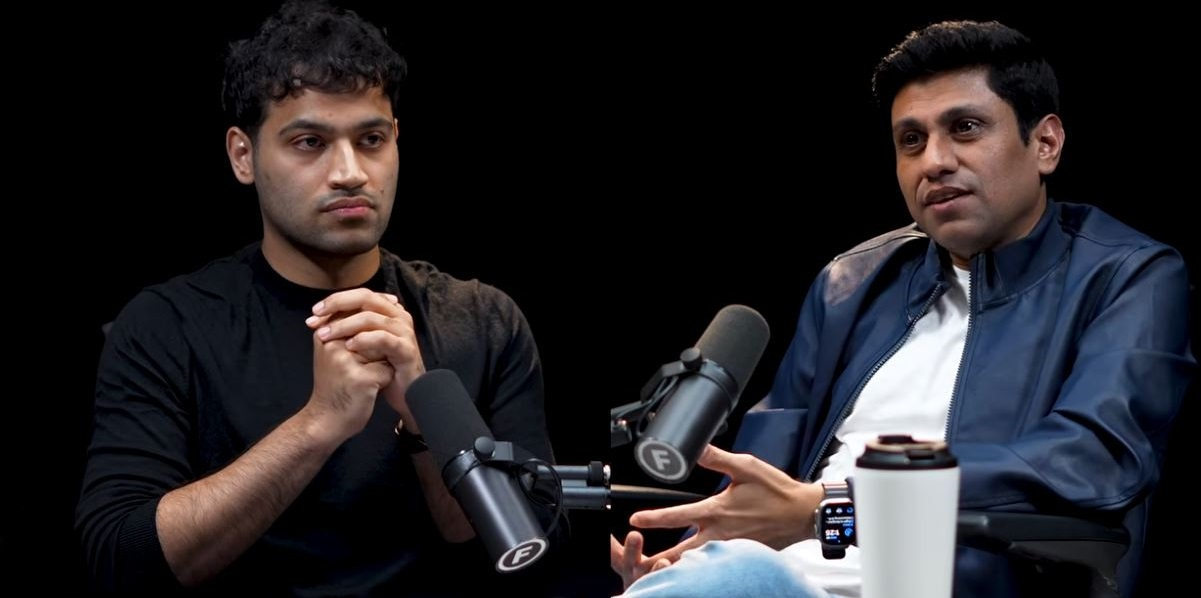
In the rapidly evolving world of artificial intelligence, entrepreneurs may need to rethink traditional business strategies to unlock the next wave of innovation. Shravant Aluru, CEO and co-founder of Avatar.ai, believes that founders must understand the difference between building an incremental business and pursuing an exponential opportunity.
Speaking in a discussion about entrepreneurship and AI, Aluru explained that businesses generally follow two paths: incremental growth, which focuses on meeting existing market demand, and exponential growth, which aims to create entirely new markets or transform established industries.
According to Aluru, incremental businesses benefit from clear customer demand, established competition and a focus on achieving product-market fit early. These companies can grow steadily by improving existing solutions, attracting customers and meeting immediate market needs.
Exponential businesses, however, operate under very different conditions. Founders pursuing ambitious ideas may face skepticism, limited market validation and years of research before their products gain widespread acceptance. In some cases, there may be no established market or clear customer demand when the company begins.
Aluru emphasized that entrepreneurs must decide which path they want to pursue before developing their business strategy. While incremental ventures require a strong understanding of competitors and customer expectations, exponential ventures demand long-term conviction, continuous learning and the ability to challenge conventional thinking.
He also cautioned against expecting immediate success from businesses built around transformative technologies. Deep-tech companies, particularly those working in AI, often require substantial time and experimentation before achieving meaningful commercial breakthroughs. Rather than expecting product-market fit in the first year, founders may need to break ambitious long-term goals into smaller, measurable milestones.
The discussion also highlighted the importance of timing in entrepreneurship. Entering a market too early can be costly when the technology, infrastructure or customer demand is not ready. However, founders who identify an emerging opportunity before it becomes widely recognized may gain a significant advantage.
AI and robotics are expected to create opportunities across industries, making the current period particularly important for entrepreneurs evaluating new business ideas. Yet, the challenge is not simply to adopt AI but to identify problems where the technology can deliver meaningful and sustainable value.
Aluru’s central message is that neither incremental nor exponential growth is inherently superior. Both involve risks and require different approaches to execution. Incremental businesses depend heavily on achieving product-market fit and responding to market signals, while exponential ventures rely on experimentation, accumulated knowledge and the ability to sustain a long-term vision.
For aspiring entrepreneurs, the key lesson is to understand the nature of the opportunity before choosing a strategy. Playing it safe may lead to a sustainable business, while pursuing an exponential idea could create a transformative company. The right choice ultimately depends on the founder’s ambitions, risk tolerance and willingness to navigate uncertainty.